The humanitarian sanitation challenge
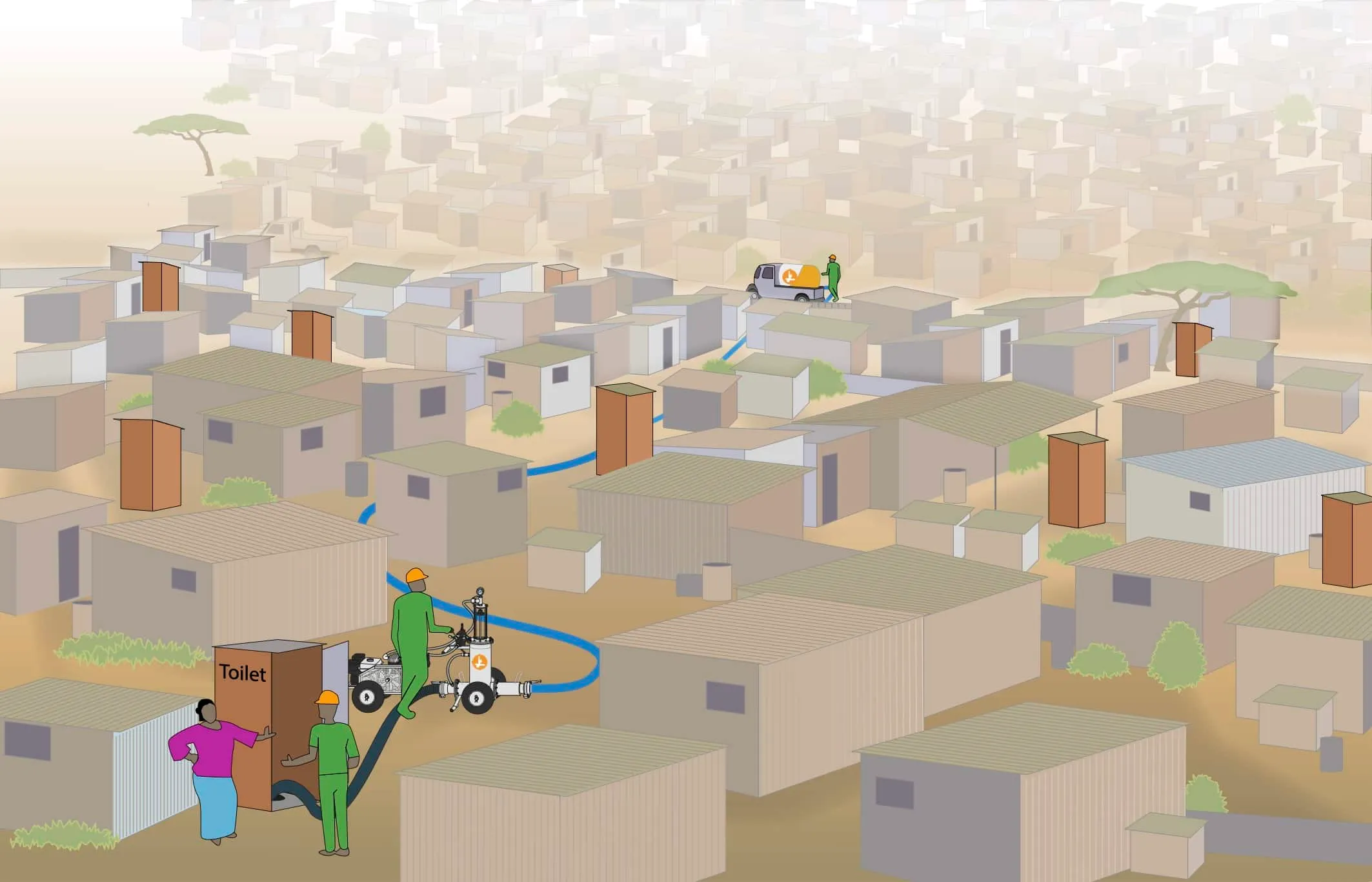
Millions of displaced people live in settlements that cannot adequately contain and treat human waste. Because displacement can last for decades, reliance on pit latrines creates a long-term need for safe emptying, disposal and treatment services.
Where treatment infrastructure is missing, fecal sludge may be disposed of on open land. That service gap contributes to the high burden of poor health experienced by refugee populations that lack adequate WASH facilities and clean water.
Developing the Saniforce unit
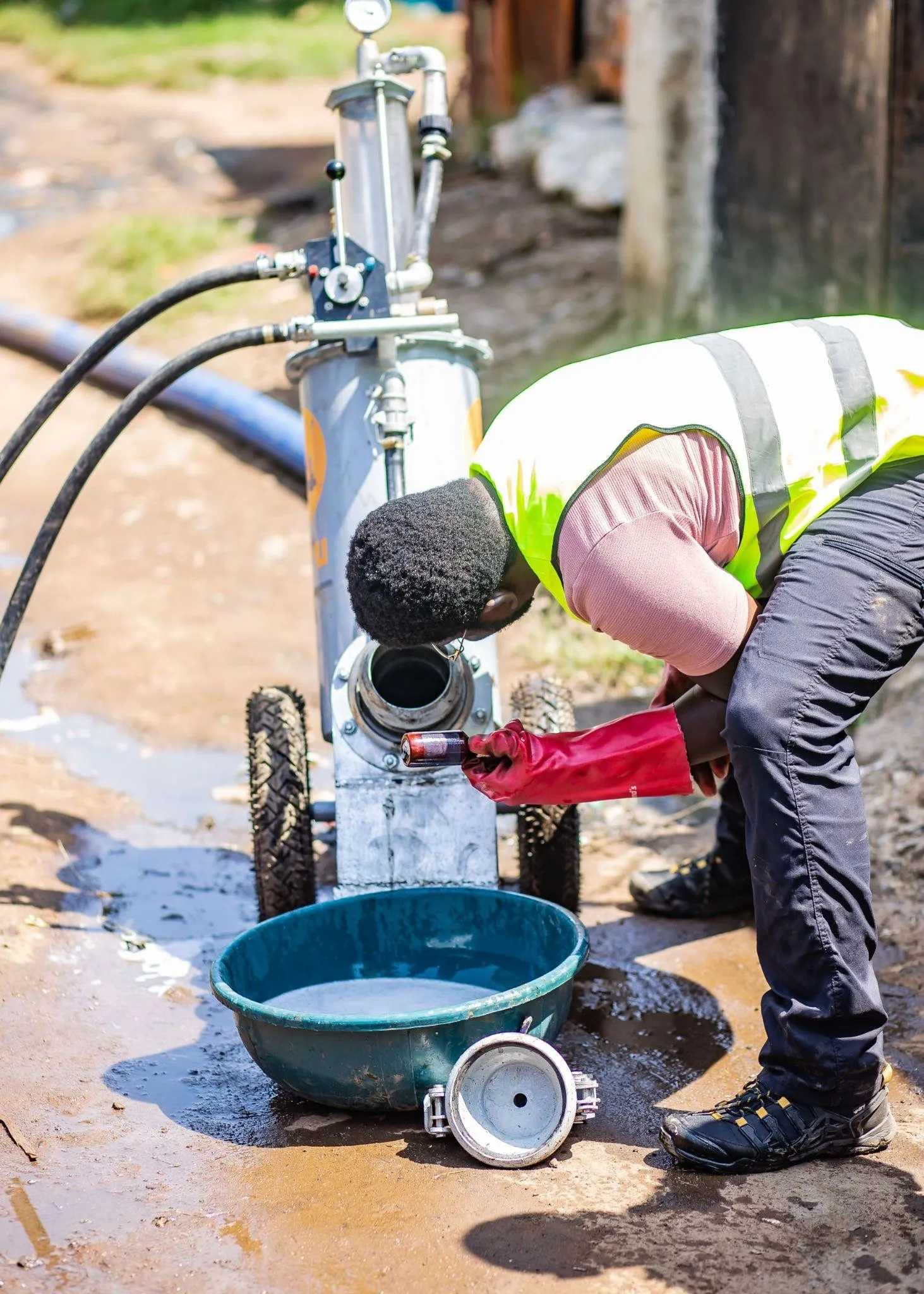
Opero developed the Fecal Sludge Treatment Unit, or FSTU, to contain and treat human waste safely in infrastructure-constrained settings. ETH Zurich, Sistema.bio and the Veolia Foundation supported a pilot at the Kisumu WASH Technology Hub.
During the pilot, the unit received waste from ten service providers working across low-income settlements with approximately 500,000 residents. At least 750 people benefited each day when their pits were emptied and the collected waste was safely treated.
A self-sustaining treatment process
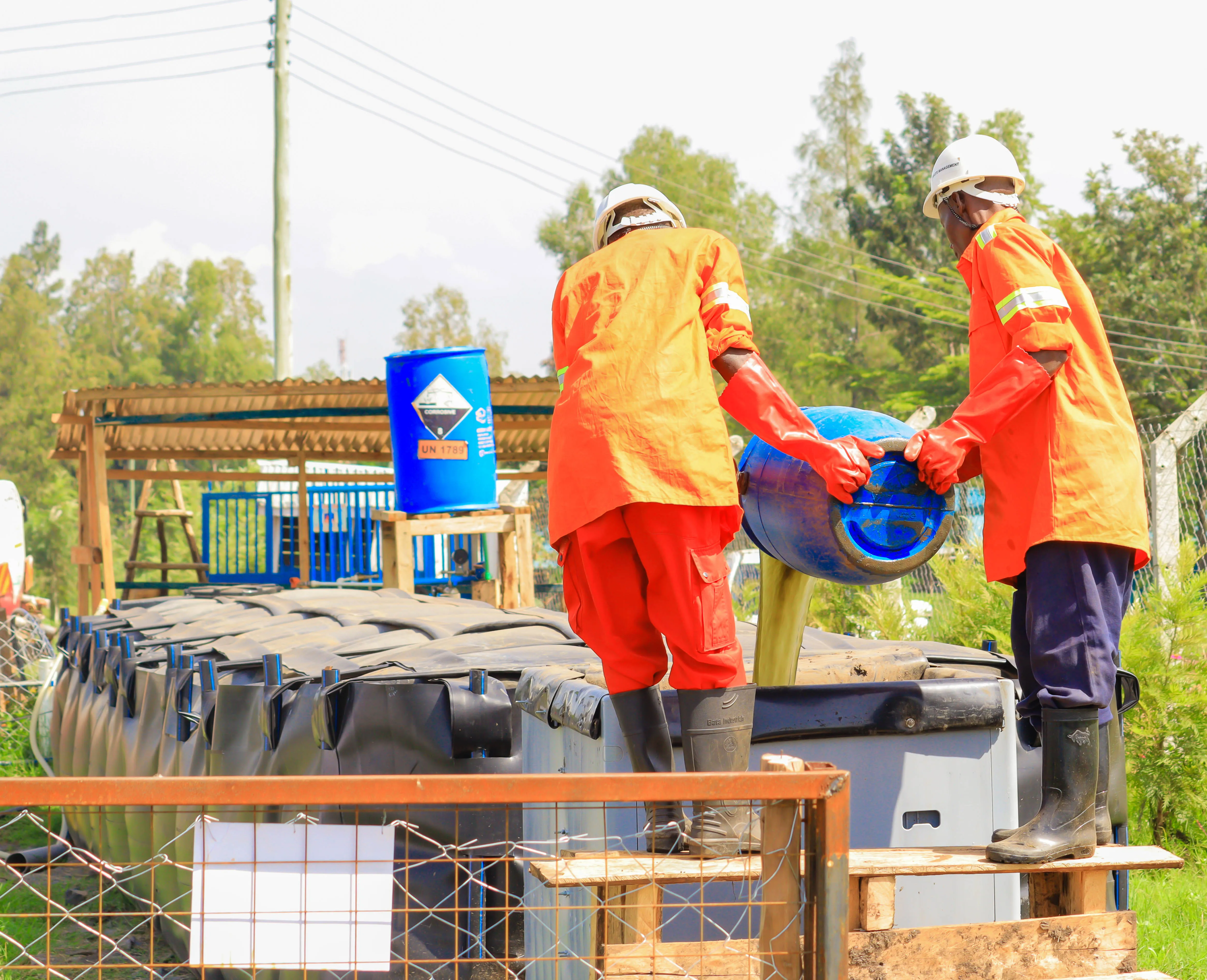
The unit contains fecal sludge in a Sistema.bio anaerobic reactor, where biological treatment produces biogas. Effluent then passes to a thermal-disinfection stage that raises its temperature to 65–75°C to produce a nutrient-rich output intended for safe environmental release.
Biogas from the anaerobic stage powers the thermal treatment. This integration was designed to make the FSTU self-sustaining without recurring chemical consumables.
Laboratory proof of concept
Nine months of laboratory data showed complete pathogen removal at 60–70°C with a contact time of 15 minutes, providing proof of concept for the thermal-disinfection process.
Results from the Kisumu pilot
During 15 months of operation, the pilot safely contained and treated 115 m³ of fecal sludge collected from pit latrines in Kisumu. That work was estimated to prevent 1,600 m³ of methane emissions that would otherwise have resulted from decomposition in pits.
The work also found that thermal disinfection eliminated pathogens in the slurry, making it safe for disposal. Detailed findings were documented through three ETH Zurich student thesis projects.
Humanitarian deployment in Uganda
The next phase moved into a humanitarian setting in Uganda, supported by the World Food Programme Humanitarian Innovation Accelerator Programme and implemented with the Uganda Red Cross Society.
The planned unit was expected to serve at least 1,000 people and treat up to 2 m³ of fecal waste per day. Learning from the deployment was intended to guide further design improvements for humanitarian contexts.