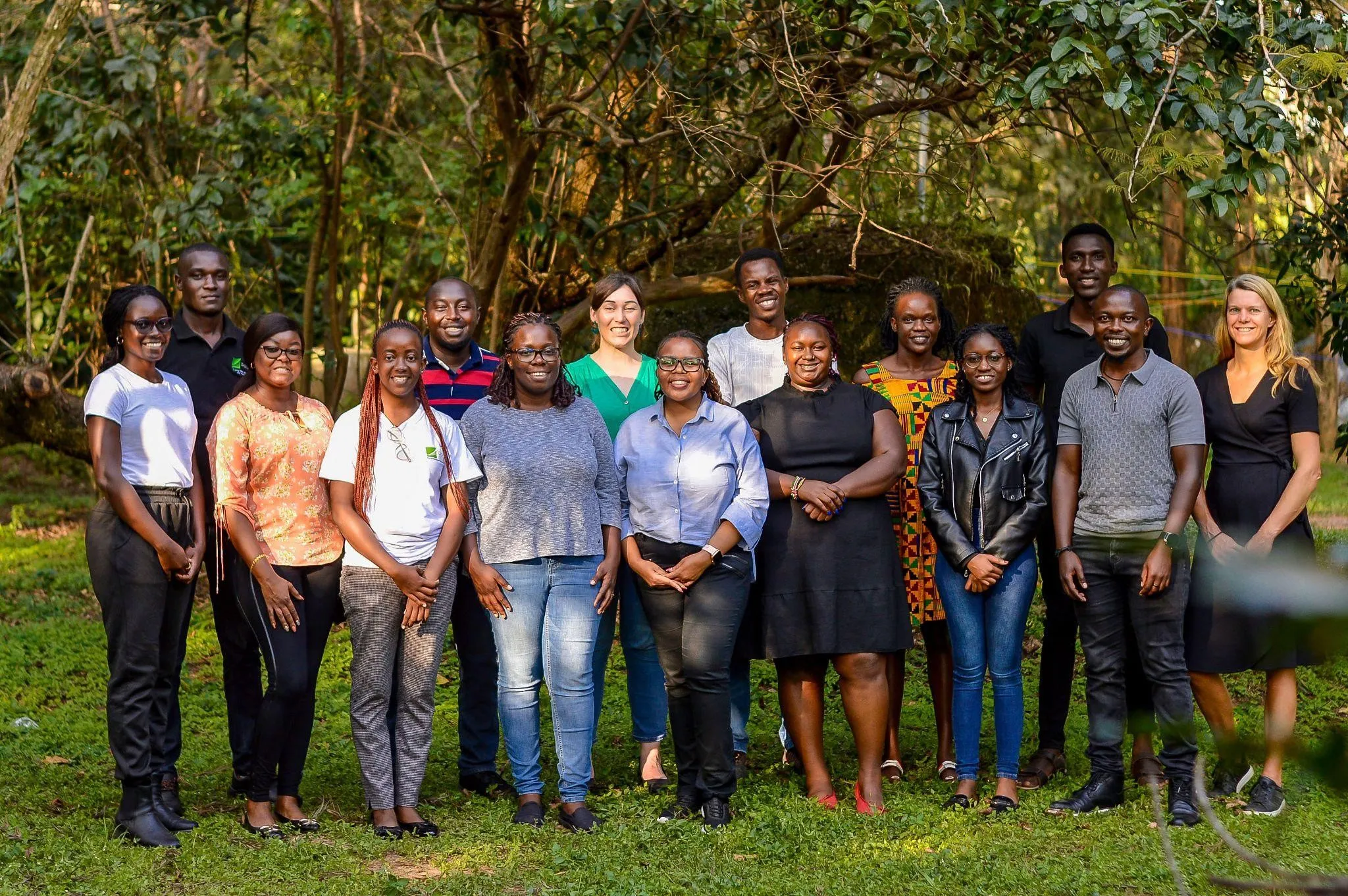
Happy New Year 2025! As Opero stepped into a new year, our commitment to impactful sanitation solutions, innovative technologies and enterprises that build healthier, more sustainable communities remained stronger than ever.
We are grateful to the partners who have walked this journey with us and helped turn sanitation challenges into opportunities. This newsletter recaps our work during the final quarter of 2024 to advance safe and dignified sanitation.
Saniforce Uganda project
Sistema.bio completed commissioning of the biodigester for the FSTU WFP Saniforce Uganda project. Teams from the Uganda Red Cross Society, Sistema.bio, the Veolia Foundation and Opero Services then began feeding fecal sludge into the system.
Led by the Uganda Red Cross Society, the project also made significant progress on its effluent-management system, which was fully operational by the time of this update.
The next milestone anticipated in the January 2025 newsletter was installation of the pasteurizer by the Veolia Foundation later that month.
Sanitation Service Chain Action Research
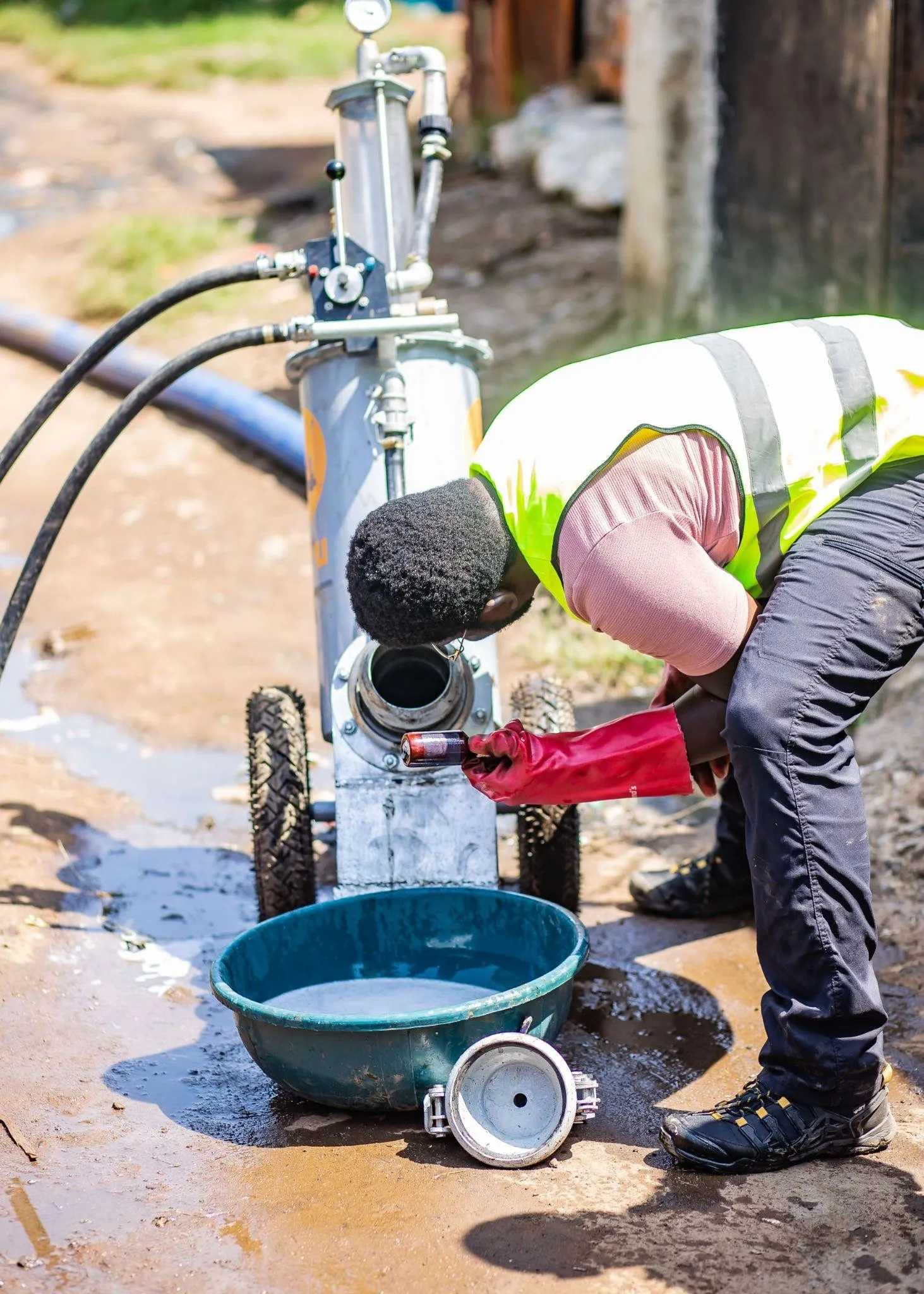
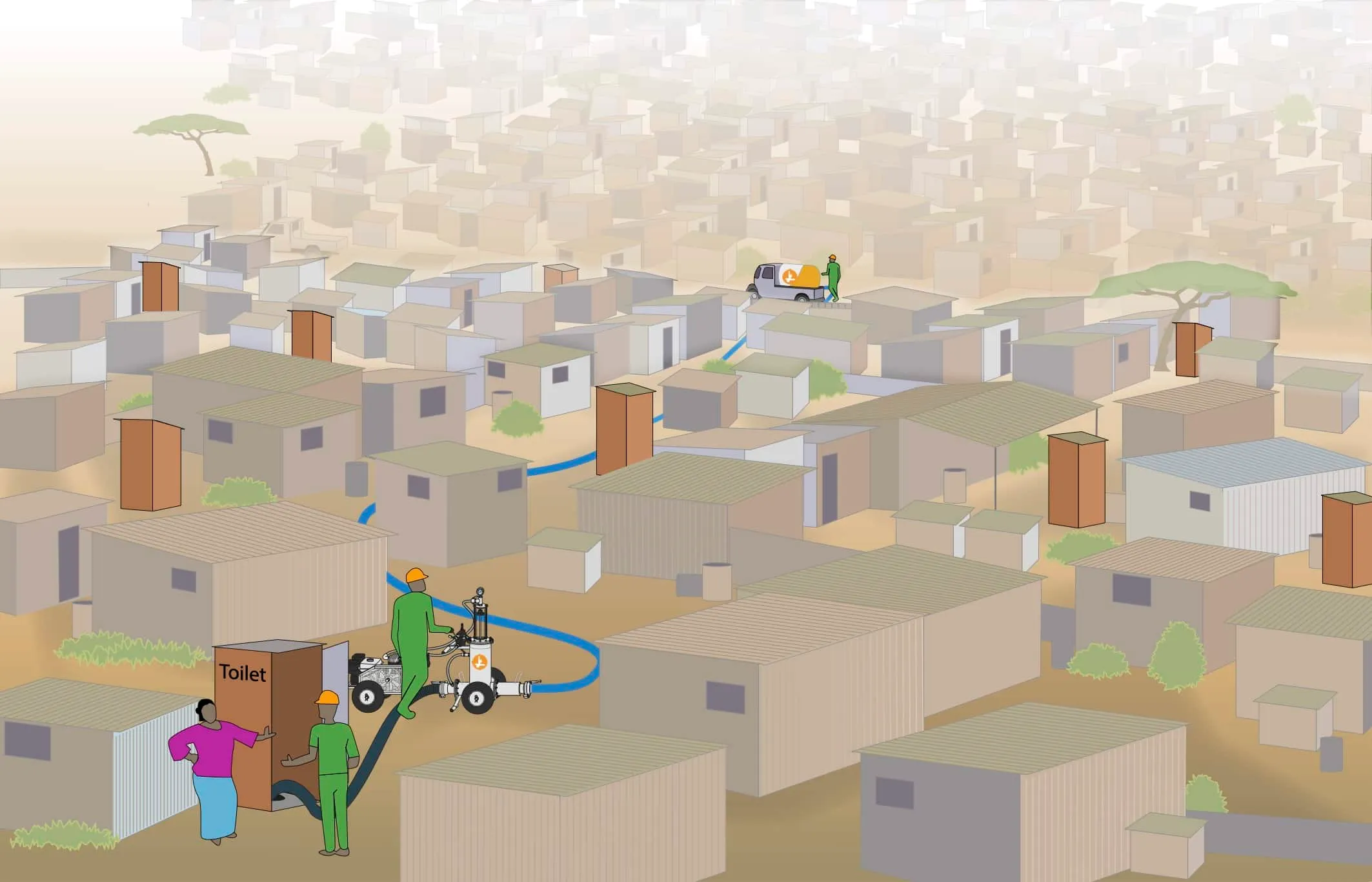
The Sanitation Service Chain Action Research Project began time-and-motion studies of pit-latrine emptying equipment in Kisumu. The team evaluated the PuPu Pump, PitVaq, Gulper 1 and a trash pump under real operating conditions.
The study recorded the time required for four core activities so the team could compare the efficiency and suitability of each technology in different contexts:
- Equipment setup: preparing the equipment before an emptying job.
- Trash fishing: removing solid waste and debris from the pit.
- Waste pumping: extracting fecal sludge with each technology.
- Cleanup: cleaning and maintaining equipment after use.
Research across four cities
Related studies were also underway in Kigali, Rwanda; Lusaka, Zambia; and Kampala, Uganda. Comparing results across the four cities was intended to inform local work in Kisumu while contributing to wider improvements in public health and fecal-sludge management.
During the four months covered by the update, Opero trained eight pit-latrine emptying businesses to use the technologies. The businesses could then access the equipment through the WASH Technology Hub at the Nyalenda Wastewater Treatment Plant.
Scaling the Vetiver Green Latrine
The USAID Western Kenya Sanitation Project was promoting market-based sanitation across western Kenya, creating demand for innovative products and connecting local sanitation entrepreneurs with households.
This model equips entrepreneurs to produce, sell and install sanitation systems, strengthening the local supply chain while encouraging households to invest in long-term solutions with economic and environmental benefits.
The Vetiver Green Latrine was positioned as a lower-cost option that reduces the need for frequent pit emptying. Its simple, replicable design can create local opportunities in production, installation and maintenance across rural areas.
City-Wide Inclusive Sanitation in Kisumu
In November 2024, Opero Services hosted a two-day workshop as the implementing partner for Kisumu City's City-Wide Inclusive Sanitation Plan, with support from Water and Sanitation for the Urban Poor. The workshop coincided with the annual Sanitation Month.
Institutions from the Kisumu Joint Intergovernmental Sanitation Committee joined the workshop. Participants used sanitation problem-tree analysis to identify priorities and alternative solutions, then developed foundational elements and targets intended to make existing and proposed services more inclusive.
RUWASCO and delegated water management
Kisumu Water and Sanitation Company's delegated-management model works through Master Operators to bring affordable water closer to households. The Rural Water Management Solutions project supported the model with a capacity-development programme for these operators.
Over the three months covered by the update, Master Operators received coaching and were introduced to monthly tracking tools. The data was intended to help assess operator viability and inform future scaling.
A project highlight was a visit from the Stone Family Foundation. Foundation representatives and consortium members met Master Operators and engaged with the communities they serve.
PuPu Pump commercialisation
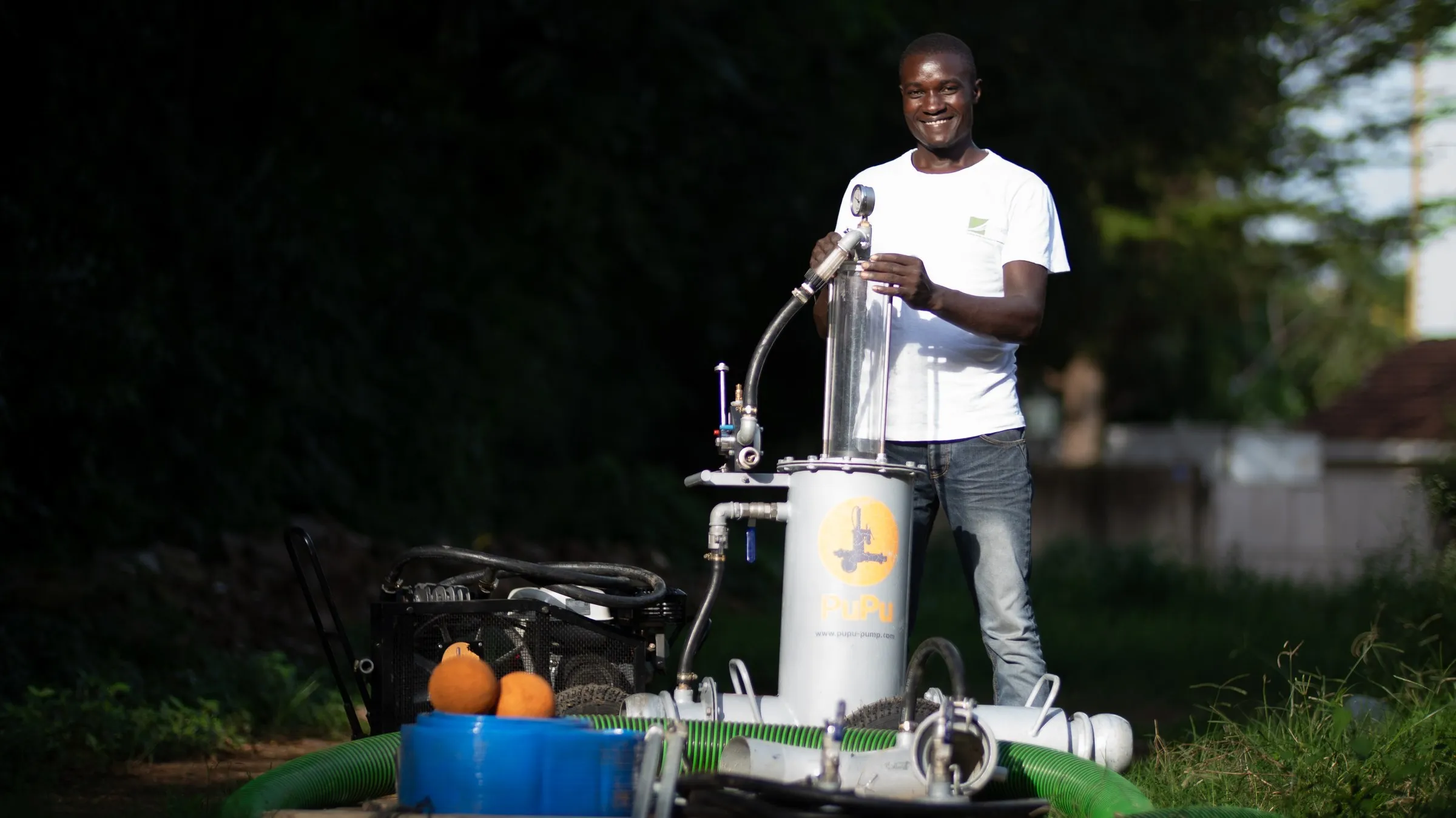
Opero displayed the PuPu Pump at the Innovate for WASH 2024 conference in Kisumu from 16–19 October 2024. On the final day, the team hosted a sanitation-technology field visit at the Kisumu WASH Technology Hub and demonstrated the PuPu Pump, Gulper 1 and PitVaq.
Hands-on demonstrations gave delegates an opportunity to operate or inspect the equipment and understand how each technology responds to sanitation challenges in East Africa.
The event highlighted progress in scaling sanitation innovations and created space for collaboration with industry stakeholders.
Pit-latrine emptying training
During the final quarter of 2024, Opero expanded training and demonstrations for manual emptying teams, policymakers and sanitation-sector practitioners using the PuPu Pump, PitVaq and Gulper 1.
A major October showcase at the Nyalenda Wastewater Treatment Plant hosted more than 30 Innovate for WASH delegates, including policymakers, government officials and members of parliament from Uganda.
Opero also held virtual discussions to make the technologies more accessible. A webinar on 21 November 2024 attracted 40 participants from across the sanitation sector.
At publication, training registration was available through Chris Njehu on +254 726 244882 or chrisnjehu.opero@gmail.com. Current training information is available on the site.
Enterprise spotlight: Ari Pad
Ari is a self-service sanitary-pad dispenser developed by Inteco to give girls in Kenya a dignified and private way to access menstrual-health products.
Designed for schools, each solar-powered dispenser holds up to 80 pads and uses cloud computing for stock management and data tracking. Students receive unique ID cards that allow them to use the machines.
Ari Pad aims to help girls manage their menstrual health confidently and remove barriers to education and well-being. Opero was supporting the innovation through the Female Health and Hygiene Accelerator and looked forward to seeing its growth and impact.