Let’s talk trash in pit latrines
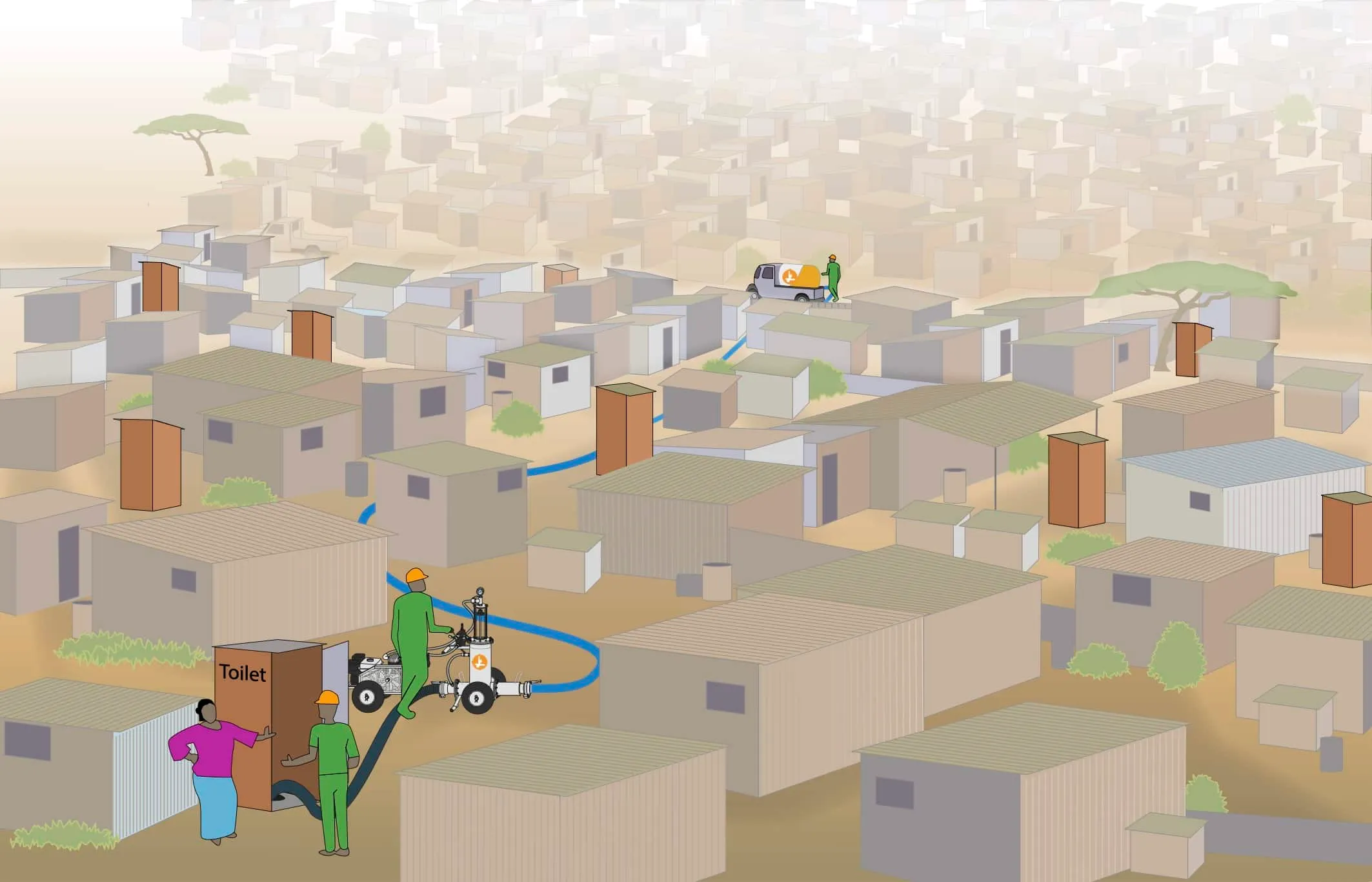
Sanitation service providers face particular challenges when non-biodegradable trash and thick sludge enter pit latrines. Where reliable solid-waste disposal is unavailable, pits can become dumping grounds for plastics, diapers, sanitary pads, fabric, utensils, glass and, in some cases, animal carcasses.
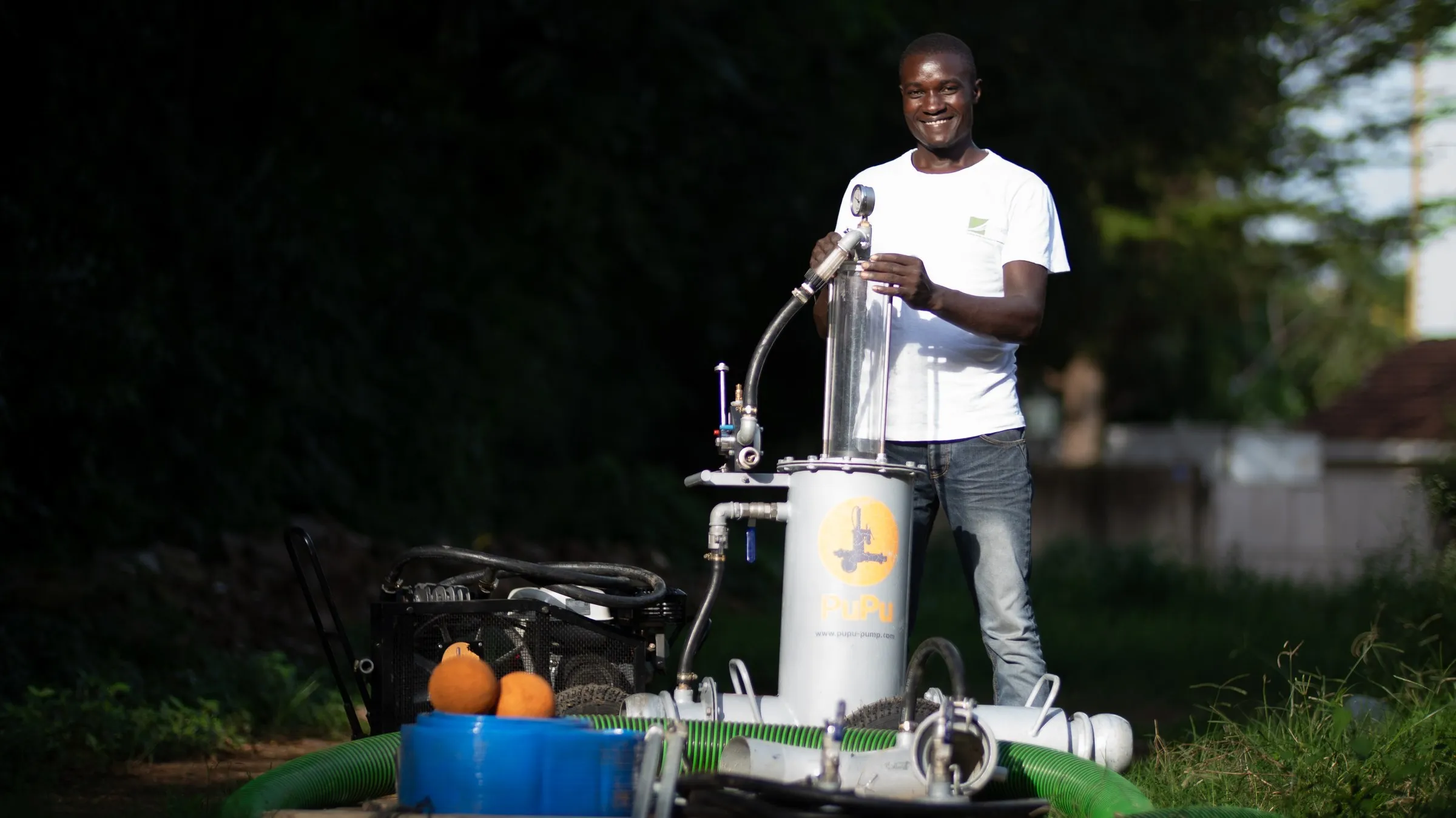
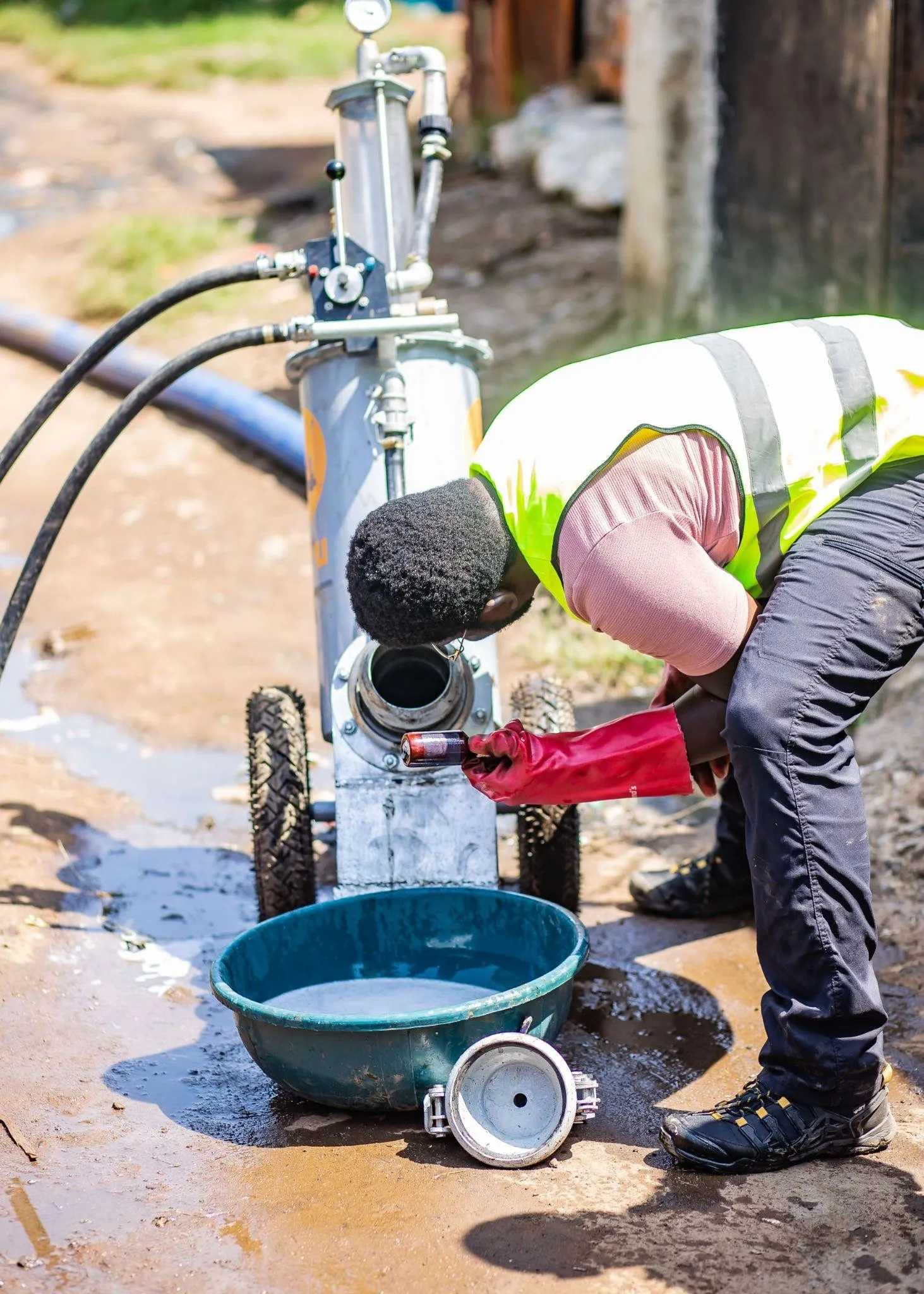
These materials complicate emptying by clogging hoses and pumps. The PuPu Pump can manage moderate levels of trash, but excessive debris disrupts the service and creates costs that extend well beyond the blockage itself.
The impact of excessive trash
- Clogged suction systems: non-biodegradable items can block the suction mechanism, forcing operators to interrupt the job, clear the blockage and restart. The lost time reduces productivity.
- Increased wear and tear: repeated contact with abrasive or oversized waste can shorten component life. Repairs and replacement parts raise operating expenses and create downtime.
- Additional labour costs: operators may need extra time to fish waste from the pit or unclog the pump during emptying.
- Lost revenue: when trash slows each job, a service provider can empty fewer pits in a day and earn less income.
What can be done?
Trash in pit latrines is not only an equipment problem. Reducing it requires coordinated action across households, service providers, public-health teams, government and the waste sector.
- Enforce waste-disposal rules agreed with pit emptiers, public-health officers, private-sector actors and the responsible ministry so that prohibited waste is kept out of latrines.
- Promote household waste separation, recycling and repurposing so that reusable materials have a destination other than the pit.
- Run behaviour-change campaigns that explain the operational and public-health consequences of dumping waste in latrines.
- Provide practical, accessible alternatives for disposing of household solid waste.
Continue improving the pump
Action research remains part of the response. Laboratory testing and product iterations help the team understand how effectively the pump can pass trash and where its components need to improve.
Field evidence from emptiers also informed further equipment development, including new PuPu Pump valves tested in the PRACTICA Netherlands workshop.
The practical takeaway
The PuPu Pump is designed to handle moderate trash in otherwise pumpable sludge, but it cannot turn a pit full of garbage into a routine pumping job. Excessive debris increases interruptions, labour, wear and costs.
Addressing the root cause through better waste management and community awareness helps equipment operate efficiently and supports cleaner, healthier communities.