The decentralized treatment gap
An estimated 59% of the global population lacked sewer connections, 4.5 billion people lacked safely managed sanitation and five million deaths were related to inadequate sanitation—underscoring the need for affordable, sustainable on-site treatment.
Adapting DungBeetle for sanitation
In 2019, Opero collaborated with Sistema.bio to test and commercialise its modular DungBeetle anaerobic digesters for sanitation. The partnership aimed to extend a technology used in agriculture into a sector with significant unmet demand.
A modular biodigester
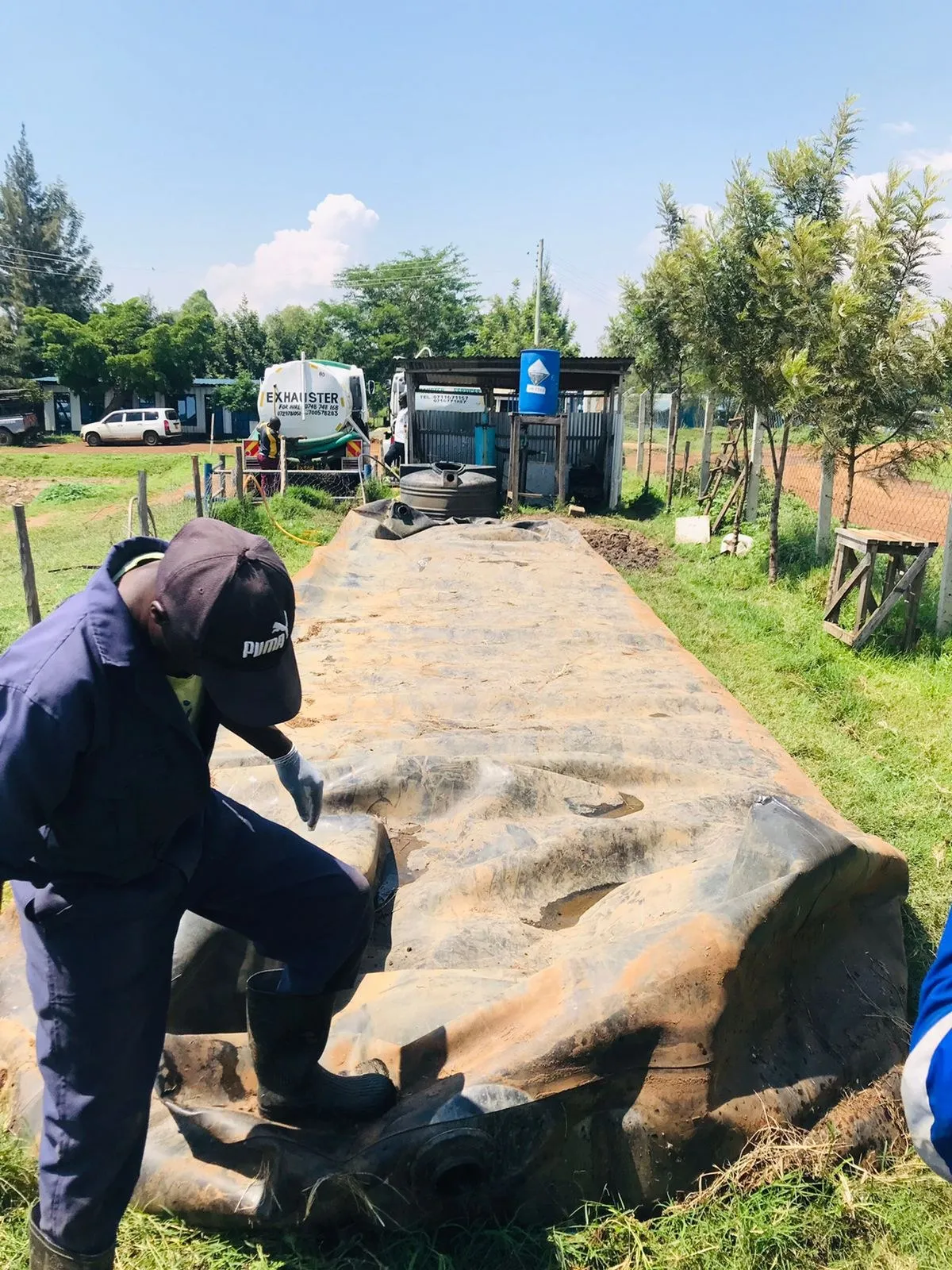
DungBeetle uses anaerobic digestion in a reliable, affordable and easy-to-install packaged system. It is made from durable linear low-density polyethylene, and its prefabricated modular construction makes it less costly than traditional digesters while allowing it to be moved between sites.
The complete package includes biogas appliances and connections, with the option to design an integrated sanitation system from toilet blocks through to resource recovery.
Treatment and resource recovery
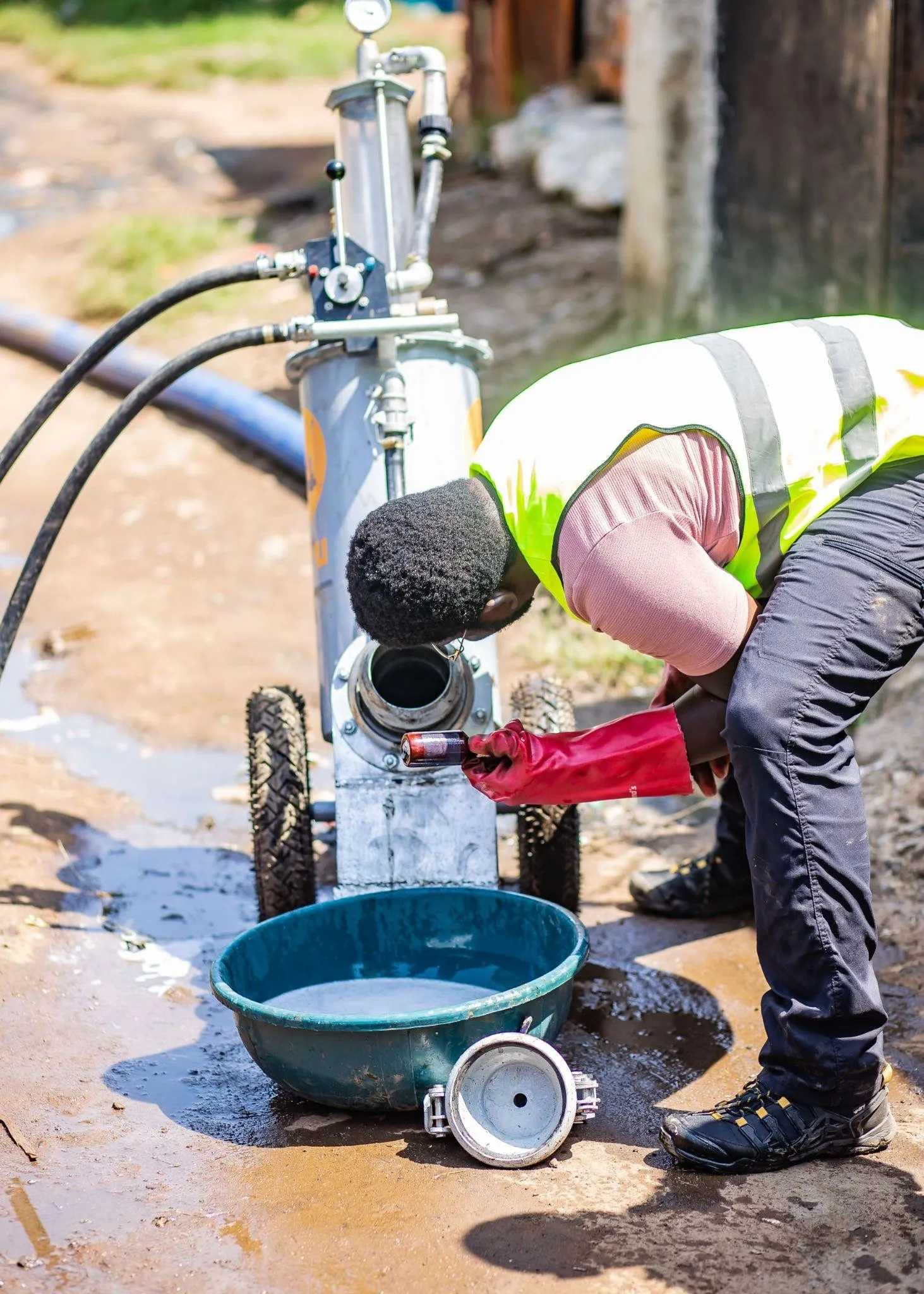
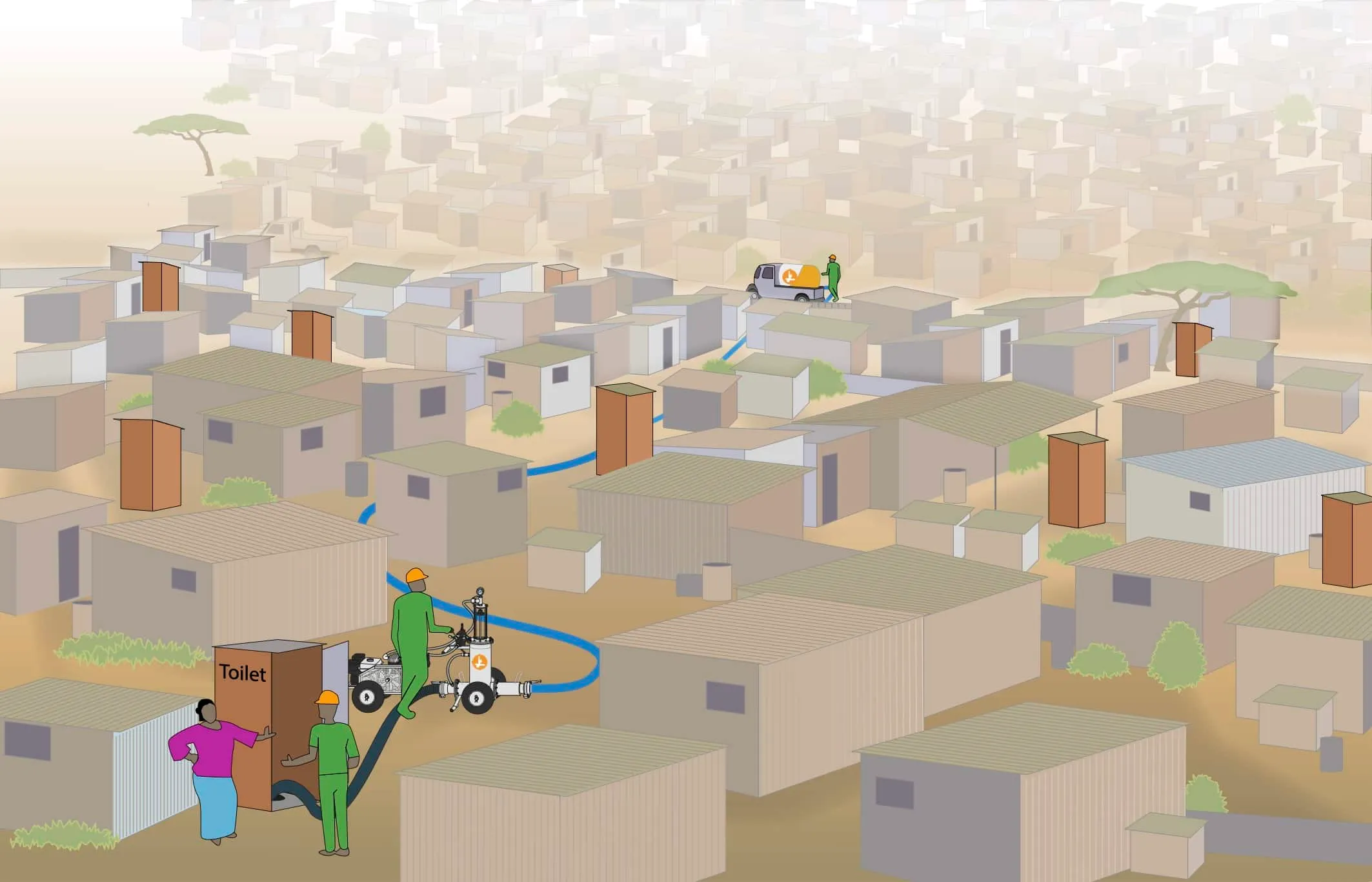
The system can serve households, institutions and decentralized wastewater-treatment facilities. It receives human waste from pit latrines and ferments blackwater and organic waste to produce liquid effluent and biogas.
The recovered biogas can replace conventional cooking fuels, turning part of the waste stream into a useful clean-energy source.
Published reach
At the time of publication, the case study reported more than 116 operational DungBeetle reactors across seven countries. Together, they were reported to serve at least 8,360 people daily, treat 8,190 m³ of fecal sludge per year and generate enough biogas to cook 13,610 meals annually.