.jpg)
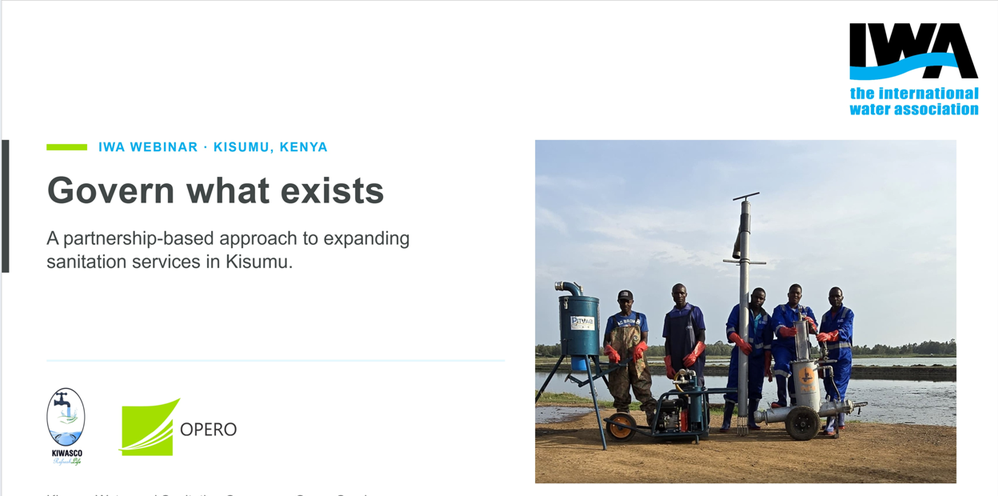
This case study explains how Kisumu has built a functioning non-sewered sanitation system by formalising and supporting the pit emptiers who already serve the city. Because most households rely on on-site sanitation, particularly in dense informal settlements where vacuum trucks cannot reach, KIWASCO and Kisumu County developed standards, licensing, disposal access, worker facilities and partnerships rather than trying to deliver every service directly.
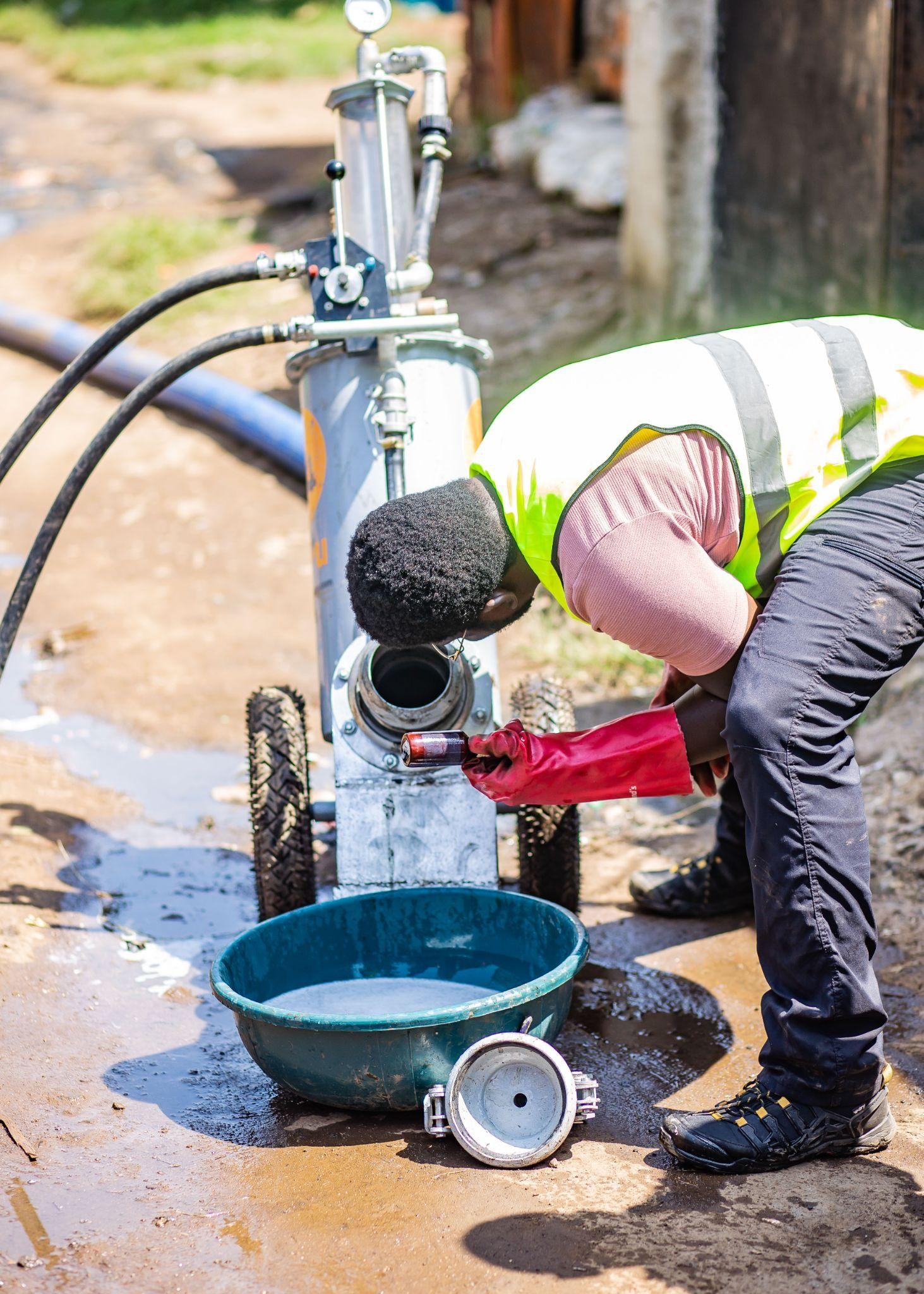
The document traces this evolution from the first pit-emptying SOPs in 2016–17, through licensing, KIWASCO’s expanded sanitation mandate, technology trials, a worker depot and wash bay, and recent funding for treatment planning. In 2025, 1,456 manual and semi-mechanised jobs delivered 1,939 m³ of sludge safely to the disposal site, alongside much larger vacuum-truck volumes.
The utility’s role is to govern the system: set standards, coordinate licensing, provide safe disposal and basic infrastructure, and work through private operators and partners. The document also highlights remaining gaps: informal emptiers still serve many households, formal services remain unaffordable for many, treatment capacity is inadequate, and the commercial relationship with operators needs formalising. The final section distils seven practical lessons for other Kenyan counties. It argues that collection should be established before major investment in treatment infrastructure.